
Innovation driven: Low temperature cold storage AGV wireless charging solution
With the rapid development of the cold chain logistics industry, the demand for charging AGVs (Automated Guided Vehicles) in cold chain warehouses is also increasing. The traditional wired charging method has many limitations in low-temperature cold storage environments, such as easily damaged charging cables and low charging efficiency. Therefore, wireless charging technology, as a new type of charging method, has shown great potential and advantages in the field of low-temperature cold storage AGV.
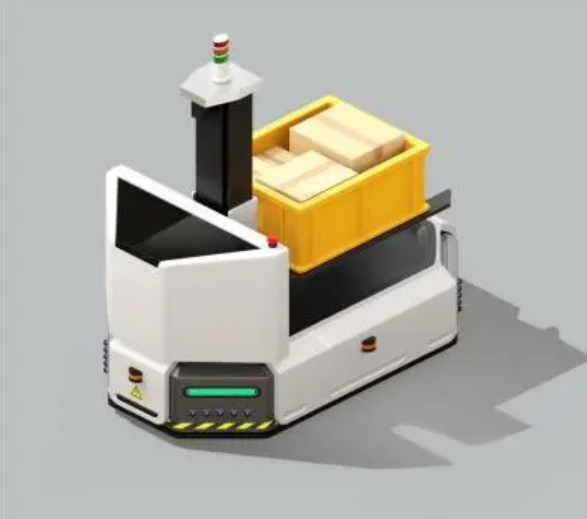
Wireless charging technology has played an important role in helping low-temperature cold storage AGVs achieve efficient operation, mainly reflected in the following aspects:
1. Solving the problem of power transmission: In low-temperature cold storage, the use of mobile charging stations faces many limitations, such as restrictions on the location of charging stations, charging time, and transportation. Wireless charging technology allows AGVs to seamlessly charge in cold storage through non-contact methods, thus solving these industry challenges.
2. Improving charging efficiency and flexibility: Wireless charging technology allows AGVs to charge while performing tasks, known as the "dynamic charging" mode. Its principle is to lay wireless power transmission on a fixed route, enabling AGVs to charge while walking and work continuously 24 hours a day, greatly reducing the impact of energy supply on AGV operation efficiency. Meanwhile, wireless charging technology is not limited by cables, and AGVs can be charged at any time according to actual needs, improving the flexibility and efficiency of logistics operations.
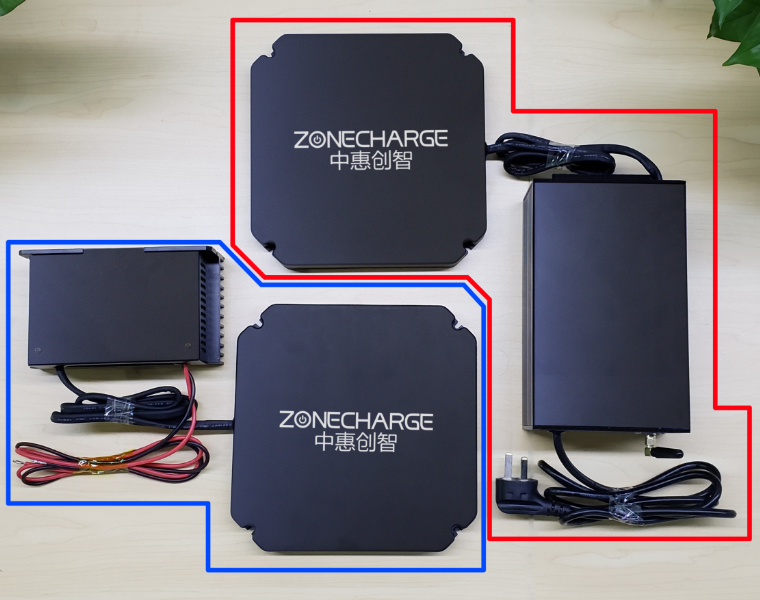
3. Improving work stability and safety: Traditional charging methods may have issues such as poor contact or cable damage, while wireless charging technology avoids these potential risks and reduces equipment damage and maintenance costs. In addition, wireless charging technology reduces equipment failures caused by mechanical wear and tear, thereby improving the service life and operational stability of AGVs.
4. Optimizing charging technology: Currently, AGV wireless charging technology is mainly divided into two categories: magnetic induction charging and magnetic resonance charging. Among them, Zhonghui Chuangzhi adopts magnetic resonance charging technology, which enables it to achieve longer transmission distance and higher spatial freedom, making it more suitable for the application of automated mobile devices such as AGVs. When the AGV needs to be charged, it will automatically report a request for charging, which will be directed by the computer control center to arrive at the designated area for charging. After charging is completed, the AGV will automatically disconnect from the charging system and continue working.
5. Adapting to various application scenarios: The AGV wireless charging system is equipped with a variety of charging curves, which can automatically be compatible with various types of batteries and meet the wireless charging needs of AGVs of various scales. This enables wireless charging technology to be widely applied in multiple fields such as warehousing and logistics, manufacturing, and express delivery, providing strong support for the automation and intelligent development of various industries.
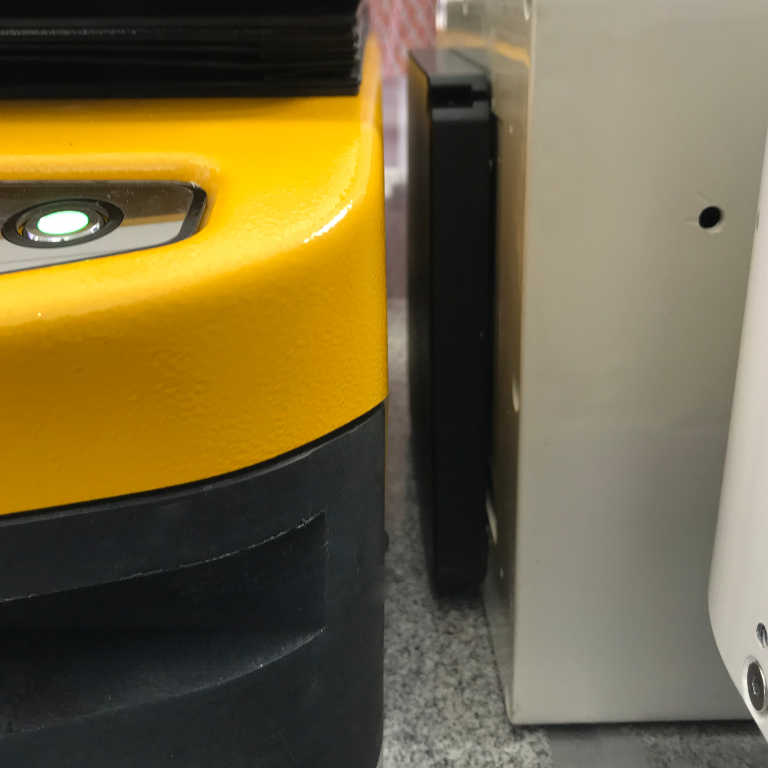
The innovation driven low-temperature cold storage AGV wireless charging solution provides an efficient, safe, and reliable charging method for the cold chain logistics industry by solving key issues such as low-temperature adaptability, battery degradation, and waterproofing. With the continuous advancement of technology and the expansion of application scenarios, wireless charging technology will play an increasingly important role in the field of low-temperature cold storage AGV.