
Intelligent cold chain warehousing: Wireless charging technology empowers robots and improves warehouse management efficiency
With the continuous development of technology, wireless charging technology is gradually penetrating into various fields, bringing great convenience to our lives and work. In the field of intelligent cold chain warehousing, wireless charging technology empowers robots and greatly improves warehouse management efficiency.
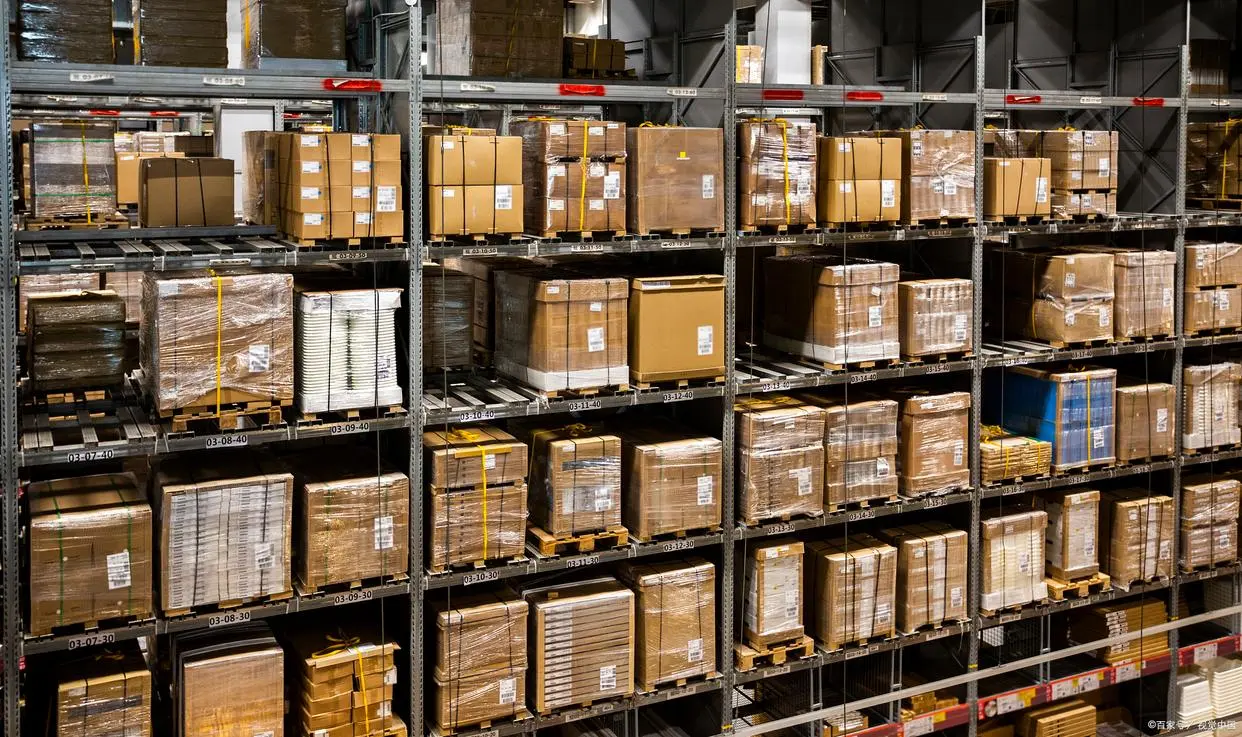
Intelligent cold chain warehousing is a warehousing model that utilizes advanced technologies such as the Internet of Things, big data, and artificial intelligence to monitor, optimize, and manage the cold chain logistics process in real-time. It ensures the quality and safety of perishable and perishable items such as food and medicine during storage and transportation through precise control of environmental parameters such as temperature and humidity. Intelligent cold chain warehousing has the characteristics of high efficiency, intelligence, and environmental protection, and is an important development direction for the modern logistics industry.
In intelligent cold chain warehousing, wireless charging technology provides continuous energy support for robots, enabling them to complete various work tasks without interruption. The wireless charging solution of Zhonghui Chuangzhi adopts the principle of magnetic resonance to achieve non-contact energy transmission between robots and charging stations, avoiding the complexity and limitations brought by traditional wired charging methods.
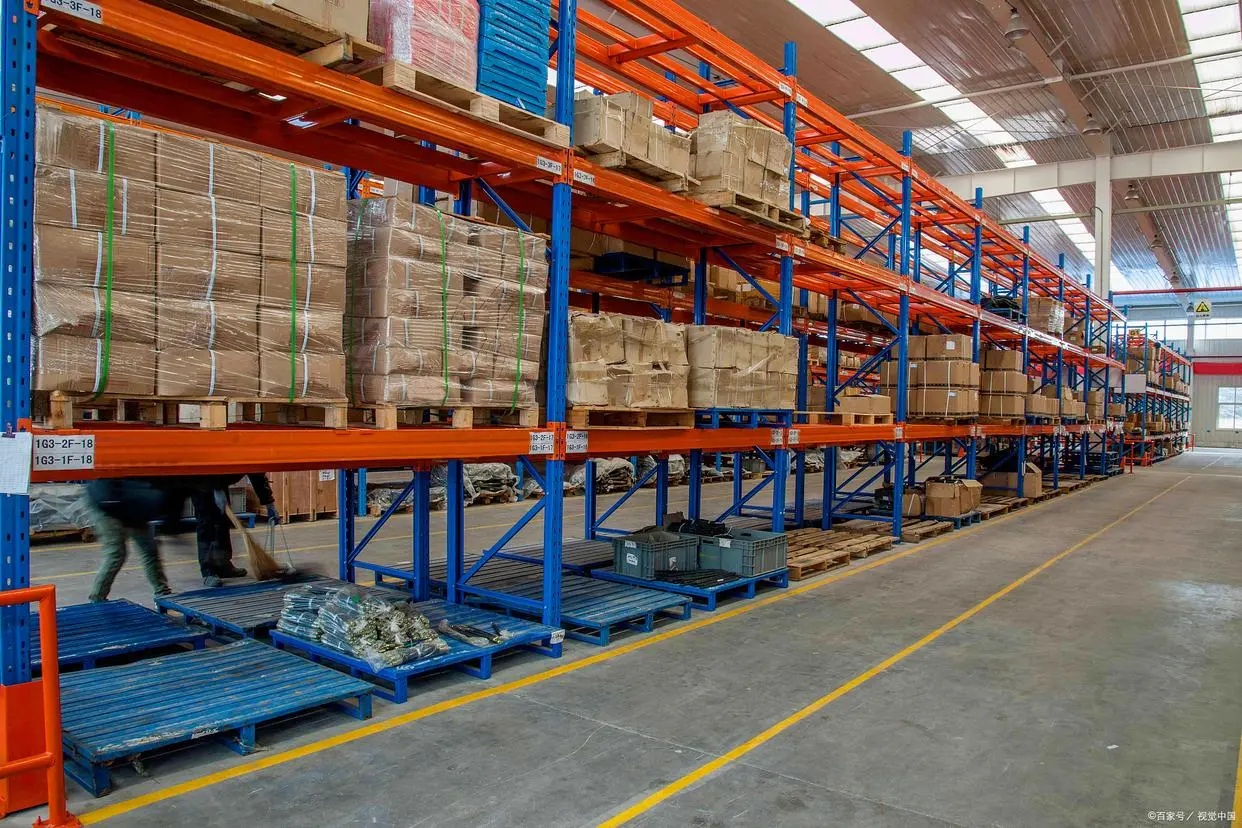
The application of wireless charging technology enables robots to play a greater role in warehouse management. For example, robots can autonomously complete tasks such as cargo handling, sorting, and inventory, greatly improving the efficiency of warehousing operations. At the same time, wireless charging technology also provides robots with a more flexible and convenient way of energy supply, allowing them to charge at any time when needed, ensuring the continuity of storage operations.
The improvement of warehouse management efficiency by wireless charging technology:
1. Improve homework efficiency: Wireless charging technology enables robots to work continuously and stably, avoiding work interruptions caused by insufficient battery. Robots can autonomously complete tasks such as cargo handling, sorting, and inventory, reducing manual involvement and improving operational efficiency. In addition, wireless charging technology provides robots with a more convenient way to replenish energy, allowing them to complete charging in a short period of time, shortening the charging time and further improving work efficiency.
2. Reuce operating costs: The application of wireless charging technology reduces manual participation and labor costs, and lowers the operating costs of warehouse management. Meanwhile, wireless charging technology can also reduce the maintenance cost of robots. Due to the use of non-contact energy transmission in wireless charging technology, it avoids the wear and damage caused by traditional wired charging methods, extends the service life of robots, and reduces maintenance costs.
3. Improve the accuracy of warehouse management: Wireless charging technology provides continuous and stable energy support for robots, enabling them to perform warehouse operations 24/7. Robots can achieve precise identification and positioning of goods through advanced sensors and algorithms, improving the accuracy of warehouse management. In addition, wireless charging technology can be combined with technologies such as the Internet of Things and big data to achieve intelligent and visualized warehouse management, improving the efficiency and accuracy of warehouse management.
The application of wireless charging technology in intelligent cold chain warehousing provides continuous and stable energy support for robots, improving warehouse management efficiency. In the future, with the continuous development and improvement of wireless charging technology, it is believed that its application in the field of intelligent cold chain warehousing will be more extensive and in-depth.