
Wireless Charging Technology: A New Engine Driving Automation Industry
Metal contacts and wires play a crucial role as transmission media for electrical current in electrical equipment. However, with the advancement of technology and the emergence of wireless power transmission technology, all of this has become unnecessary. This technology cleverly circumvents the limitations of metal contacts, allowing current to flow freely without physical contact.
Wireless power transmission technology mainly consists of two parts: power transmission and power reception. The wonderful thing between these two parts is that there can be countless non-metallic substances sandwiched between them, such as water, oil, glass, resin, wood, etc. This feature gives wireless power transmission technology unprecedented flexibility and practicality.
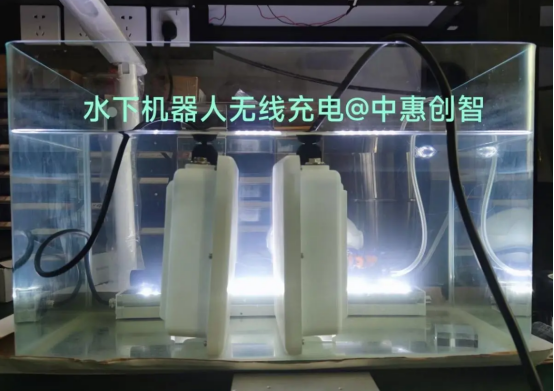
In the field of automation industry, wireless charging technology has shown great potential and application value. Wireless charging technology can eliminate the complex wiring and connectors required for traditional wired charging, reducing the difficulty and cost of equipment maintenance. Meanwhile, wireless charging technology can also achieve seamless movement of devices, improving production efficiency and flexibility. Taking robots operating in factories as an example, traditional power supply methods often require frequent plugging and replacement of cables, which not only increases the difficulty of maintenance but may also have an impact on the performance of the robots. After adopting wireless power supply technology, robots can automatically charge without interrupting their work, greatly improving production efficiency. At the same time, because there is no need to worry about the aging of the contacts, it greatly extends the service life of the robot. Wireless charging technology, with its convenience and efficiency, has brought unprecedented opportunities to the automation industry.
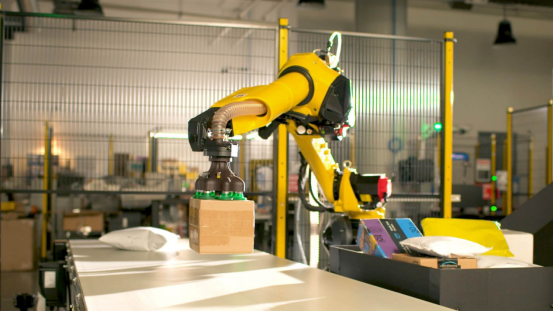
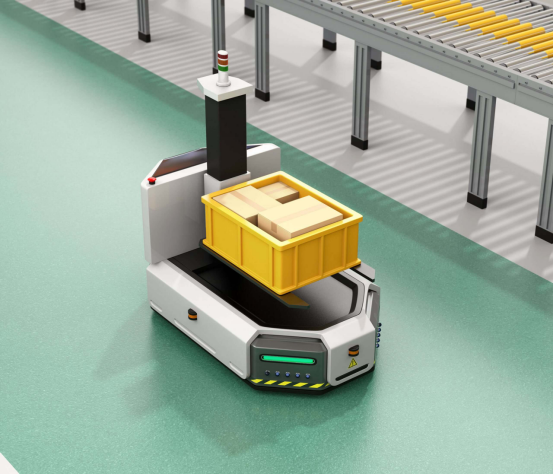
In addition, the application scenarios of wireless charging technology in the automation industry are becoming increasingly widespread. For example, in the field of warehousing and logistics, wireless charging technology can provide continuous power support for robots and automation equipment, achieving efficient and accurate material handling and sorting. In the production line, wireless charging technology can provide a continuous source of energy for mobile devices, ensuring the continuous and stable operation of the production line.
In short, wireless charging technology, as a new engine driving the automation industry, is bringing revolutionary changes to industrial automation with its unique advantages and application potential. We should actively pay attention to and support the development of wireless charging technology, promote its widespread application in the field of automation industry, and contribute to the transformation and upgrading of industrial production and sustainable development. At the same time, we should continue to explore and innovate, explore the application value of wireless charging technology in more fields, and jointly embrace the beautiful future brought by wireless charging technology.